Three Non-Obvious Bets
Back in 2020, eVTOLs had captured mainstream investor and aerospace attention - the segment was nascent and riding a wave of optimism. The promise: clean, quiet air taxis would ease urban congestion and by mid-century flying would be as routine as ridesharing - investors valued the emerging AAM market at over $9T. With that much fervor and hype, who could question the products and strategies eVTOL manufacturers were pushing?
We did.
The AAM industry was indeed primed to catalyze a leap in mobility, but the eVTOL concept's technology ceiling was set before the first aircraft even left the ground: battery-only power meant limited range and seat counts, and that in turn makes profitability more wishful thinking than grounded business plan.
We were also skeptical of the often-touted timelines and capital requirements for certification (at the time, 3-4 years and $1B). The level of innovation, and focus solely on commercial passenger transport, all but assured a historically lengthy certification timeline. Getting to scaled revenues would take much longer, cost far more, and ultimately threaten the viability of the early eVTOL manufacturers.
To make matters worse, most manufacturers pinned their entry-into-service timelines on anticipated FAA decisions alone - ignoring regulatory frameworks progressing in international markets. Those manufacturers’ grand plans for scale hinged on the framework for a single market.
So instead of following the herd, we focused on a different path: deliver aircraft and revenue in a meaningful way quickly, while building a platform that can dominate the AAM market in the long term. To do that, we made three early, non-obvious bets that have driven the Odys approach to making AAM a reality.
Bet 1: Hybrid Propulsion
Battery energy density has a ceiling. The workaround — adding more cells — creates its own problem. Battery cells are heavy, and in aviation, weight is everything. There's a hard limit to how much battery weight you can stack up before your aircraft simply can't lift off.
But there are some clear benefits to distributed electric propulsion. High-lift augmentation, increased safety through system redundancy, and reduced maintenance costs, just to name a few. The AAM end-goal was right - now to make it real.
The way to deliver on the AAM promises, profitably,is using hybrid propulsion - delivering the meaningful benefits of electric flight without the compromises:
- Existing infrastructure — jet fuel is available, no charging buildout required
- Real-world range and payload — enough to carry more people with actual luggage across actual cities
- No reserve math gymnastics — safety margins are covered with a small amount of additional fuel
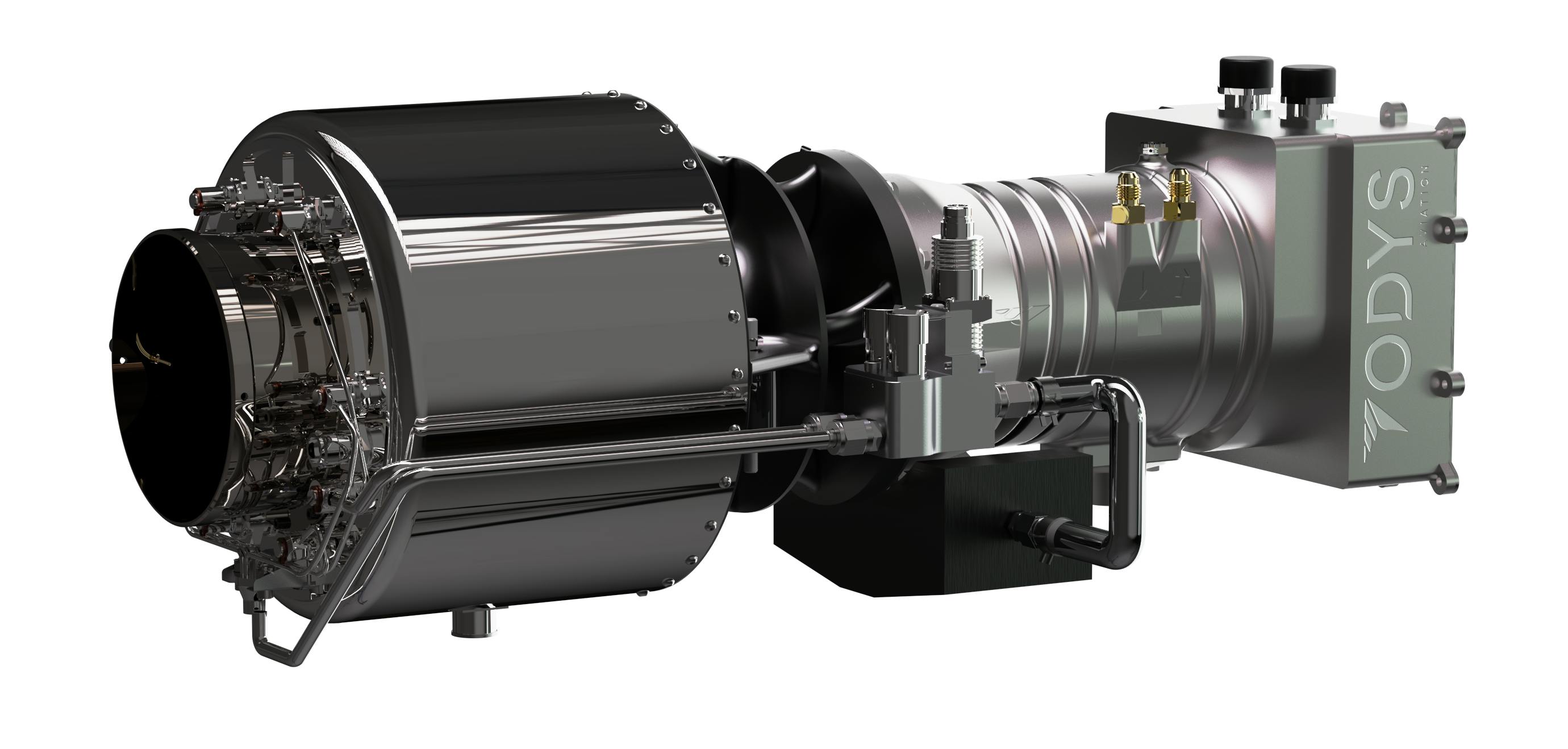
We spent five years optimizing our hybrid propulsion architecture, assembling a team with 300,000+ hours of electrification experience across 50 delivered electric and hybrid-electric powertrains. What resulted was a system that’s scalable and built to the rigorous demands of aviation use. And each design generation improved our generator power density — from 12 kW/kg to 14.5 kW/kg to 16 kW/kg — while cutting development cycle time from 12 months down to 7.
And it’s clear we made the right bet. Nearly all eVTOL manufacturers have announced hybrid propulsion options. Better late than never — except there's a structural problem with retrofitting hybrid systems onto aircraft designed around battery packs distributed through the wings.
That leaves two options: redesign the aircraft from scratch, or frankenstein it together. Neither is a good option after years of telling investors batteries were the future.
We designed our aircraft around hybrid propulsion from the start. No pivoting. No compromises.
Bet 2: Bring a UAV to Market First
Passenger certification is the longest, most capital-intensive path to market, and it should be - we all benefit from aviation's incredible safety record. But betting the entire company on reaching the finish line of that process — before generating a dollar of real revenue — isn't bold. It's just foolish.
We identified something most of the industry ignored: there are meaningful commercial opportunities along the path to a passenger aircraft, not just at the end of it. That thinking led to our second early bet — bringing a certified unmanned aerial vehicle (UAV) to market first.
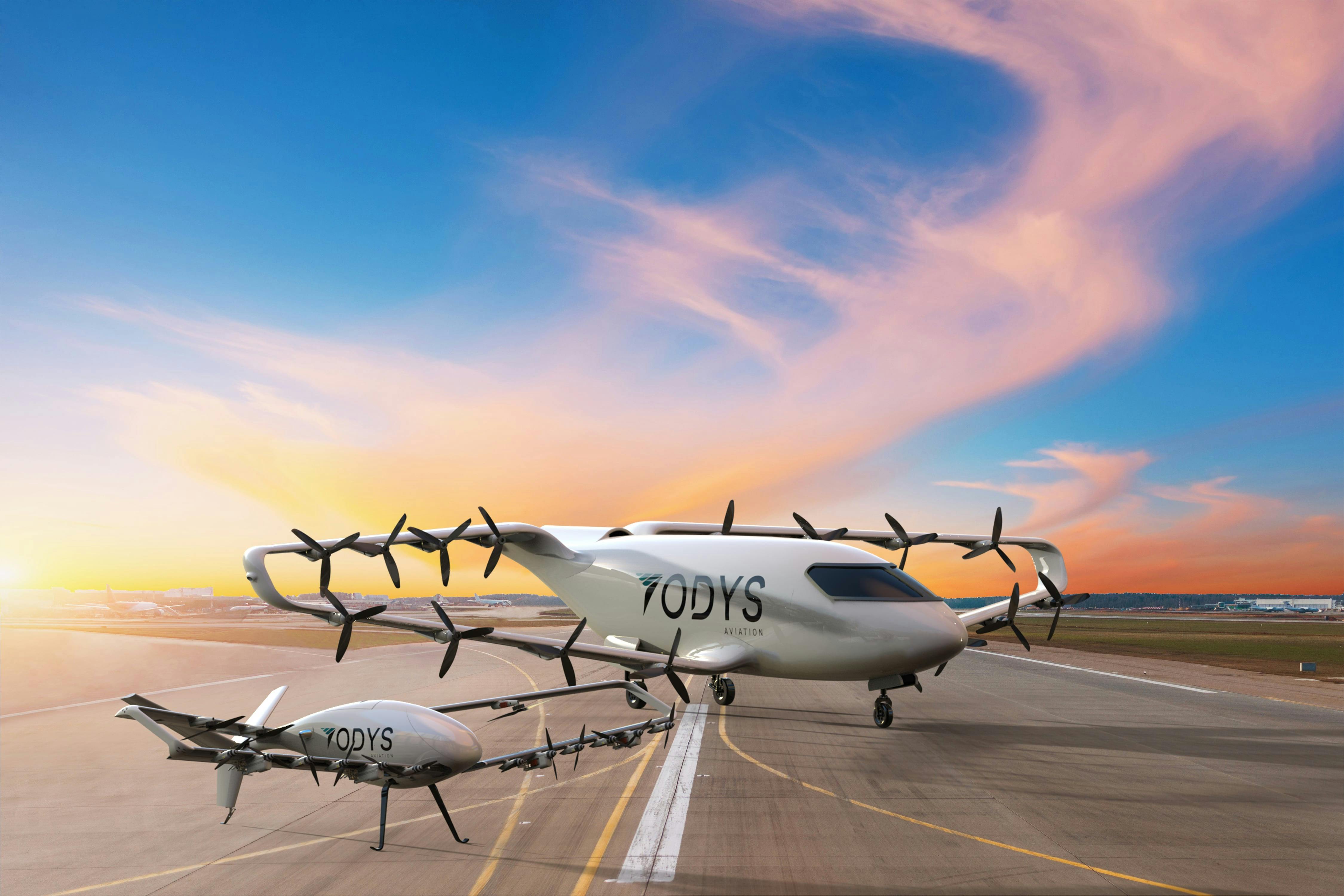
That aircraft is Laila.
“According to AAM industry players, commercial cargo mobility and passenger mobility are expected to be the biggest near-term market opportunities in AAM. However, adoption curves are expected to differ due to safety, societal, and operational considerations. Cargo mobility is expected to have greater near-term adoption than passenger mobility due to the lower psychological barriers and fewer regulatory challenges.”
- Deloitte, New Jersey AAM Strategic Roadmap
The logic isn't complicated. A cargo UAV doesn't require the same regulatory gauntlet as putting humans on board. The market is real, the barriers are lower, and the timeline to revenue is actually achievable.
Laila isn't a side project — it's the direct commercialization of the same core platform that powers Alta, our nine-passenger regional aircraft. It uses a hybrid propulsion system, capable of delivering 130 pounds of payload capacity and up to 450 miles of range. Laila also utilizes the same thrust vectoring lift design as Alta, providing stable hovering capability, strong pitch authority, and greater reliability through simplicity.
Laila is an unlock, not just another milestone.
While other manufacturers continue pushing back entry-into-service timelines, our customers will receive their first Laila aircraft this year. That means real-world validation of our platform years before Alta carries its first passengers, a production operation being refined and scaled in live conditions, and actual revenue — derisking every step of the path forward.
The North Star is Alta. But the platform that gets us there is already flying.
Bet 3: Comply With Global Certification Requirements
Aviation regulators are exceptional at many things — speed is not one of them. Building a business plan around hopes of a single agency moving fast on a new aircraft category isn't optimism — it's wishful thinking.
We like aggressive timelines, we like taking well balanced risks. We don't like pretending that miracles are inevitable facts.
So we made a different bet, and it’s the reason that Laila can fly today, while others have been quietly pushing back timelines. Instead of anchoring to a single regulatory agency, we prioritized the most stringent, most mature, and most globally adopted frameworks available — even when they weren't being implemented in our own backyard.
That led us to establish a meaningful presence in the EU, embedding ourselves in the certification conversation rather than watching from across the Atlantic. Today, a significant portion of our airworthiness and compliance work happens in Germany, led by Jonathan Stephens, our Head of Certification, and Oliver Reinhardt, our Head of Design Organization - both seasoned AAM experts.
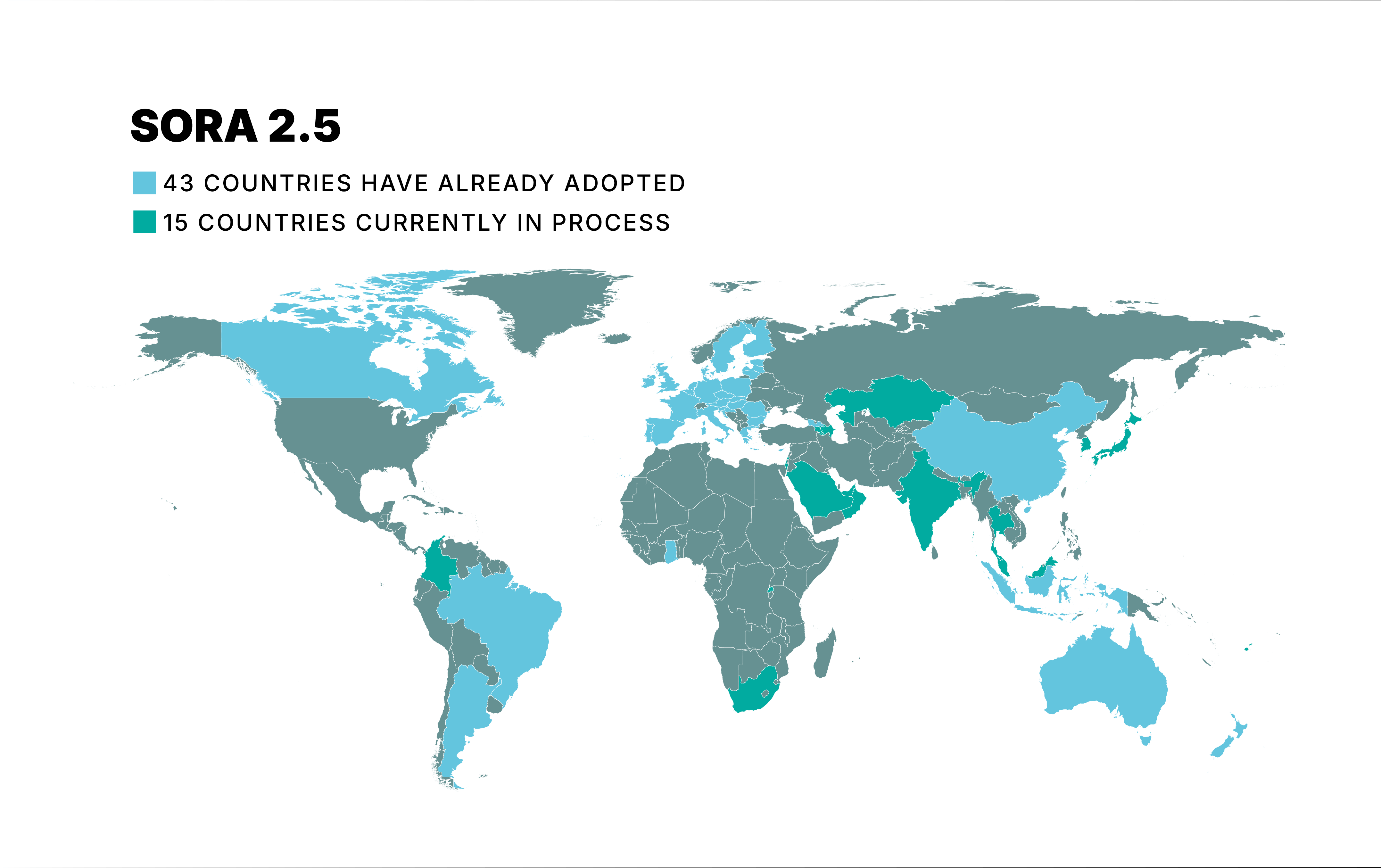
Laila was built to meet SORA 2.5, a framework currently implemented or in active adoption across more than 50 countries. That's not a regional approval — that's a global commercial footprint and access to a truly global market from day one.
And the focus on stringent international standards doesn’t hurt us domestically either. Laila is also aligned with the FAA's proposed Part 108 rules, giving us a clear path to U.S. operations without having to sit on our hands waiting to start generating revenue.
Three Bets - All Paying Off
- $11B in orders on the books
- Our Operational Launch Program (OLP) — the most comprehensive customer mission validation — launches this year
- First Laila deliveries to customers by year's end
- Alta, our nine-passenger regional aircraft, derisked by thousands of real-world flight hours on our platform
When eVTOL manufacturers were spinning battery performance targets, we went all-in on hybrid propulsion that didn't need creative math to look good. When they were rolling the dice on a passenger-first certification marathon, we built commercially viable aircraft capable of generating revenue years earlier. When they were banking on a speedy, theoretical FAA framework, we built to the world's toughest existing standards.
None of these were the obvious call in 2020. They weren't meant to be. We didn't follow the herd — we followed the physics, the economics, and the realities of how the aviation industry actually works.
The manufacturers who dominated the early AAM conversation are now quietly reassessing their strategies.
We're executing ours.